T.E.A.C.H. the Curriculum (Ebook)
The core framework in book form, with planning templates and a book study guide.
$9.99Buy the EbookFocused introductions to a high-leverage part of the T.E.A.C.H. Framework, ideal for building shared language or refreshing a team before deeper application.
Book Now / InquireInteractive workshops that connect T.E.A.C.H. literacy practices to existing curriculum through modeling, guided planning, and classroom-ready application.
Book Now / InquireFull-day sessions incorporating all elements of the T.E.A.C.H. Framework, including instructional modeling, coaching practice, and classroom-ready action plans.
Book Now / InquireTailored coaching support, continuous feedback, and accountability for instructional teams implementing the T.E.A.C.H. Framework in real time.
Book Now / Inquire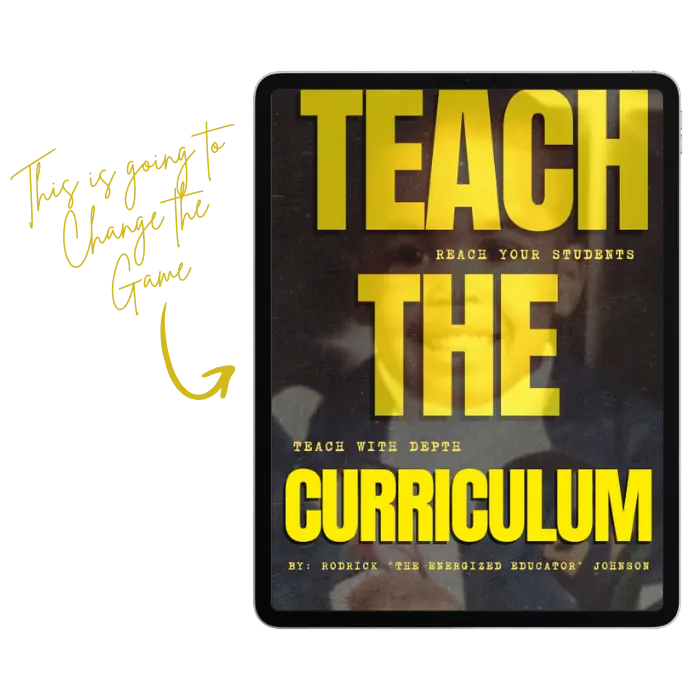
Choose the track that matches your team's immediate priority. The two frameworks can also be delivered together.
Two paths. One shared goal.
Begin with literacy instruction, behavior and culture, or combine both tracks to build classrooms where students and teachers can thrive.


T.E.A.C.H. Framework
Practical literacy planning, delivery, and coaching that works with the curriculum your team already uses.
Objectives: Equip staff with the full T.E.A.C.H. Framework as a shared instructional language for literacy planning and delivery.
Objectives: Help teachers and coaches identify where instruction is breaking down and what to adjust first.
Objectives: Move instructional coaches from feedback-giving to sustained, practical coaching using the T.E.A.C.H. Framework.
Objectives: Help staff build literacy instruction that works for the students most often underserved by it.
Self-paced tools for educators and teams who want to begin applying the framework independently.
The core framework in book form, with planning templates and a book study guide.
$9.99Buy the EbookA 7-module self-paced course walking through the full framework with application exercises.
$97Enroll in the CourseThis professional development series will empower your Culture Team to support Black boys with culturally responsive and trauma-informed practices, creating a safer and more effective learning environment. Through learning, reflection, and practical application, staff will develop the skills to recognize and mitigate implicit biases, understand the trauma responses that may shape behaviors, and foster equitable practices that benefit all students.